I’m a die-hard hunter. I’m not afraid to wade through mud so thick it swallows my boots whole, to sit for eight hours 20 feet up a pine tree in pouring rain, or to chase a bull until my quads beg for mercy. But cold is my kryptonite. When the mercury drops, I turn into a wuss. I whine. I swear. I get miserable fast. But my weakness has a silver lining. It’s helped me develop a solid strategy for staying in the game when things turn frigid.
Over the years, I’ve picked up a few tricks and fallen in love with some gear that lets me hunt like a die-hard without turning into a popsicle.
Here’s the cold-weather system that keeps me hunting instead of shivering.
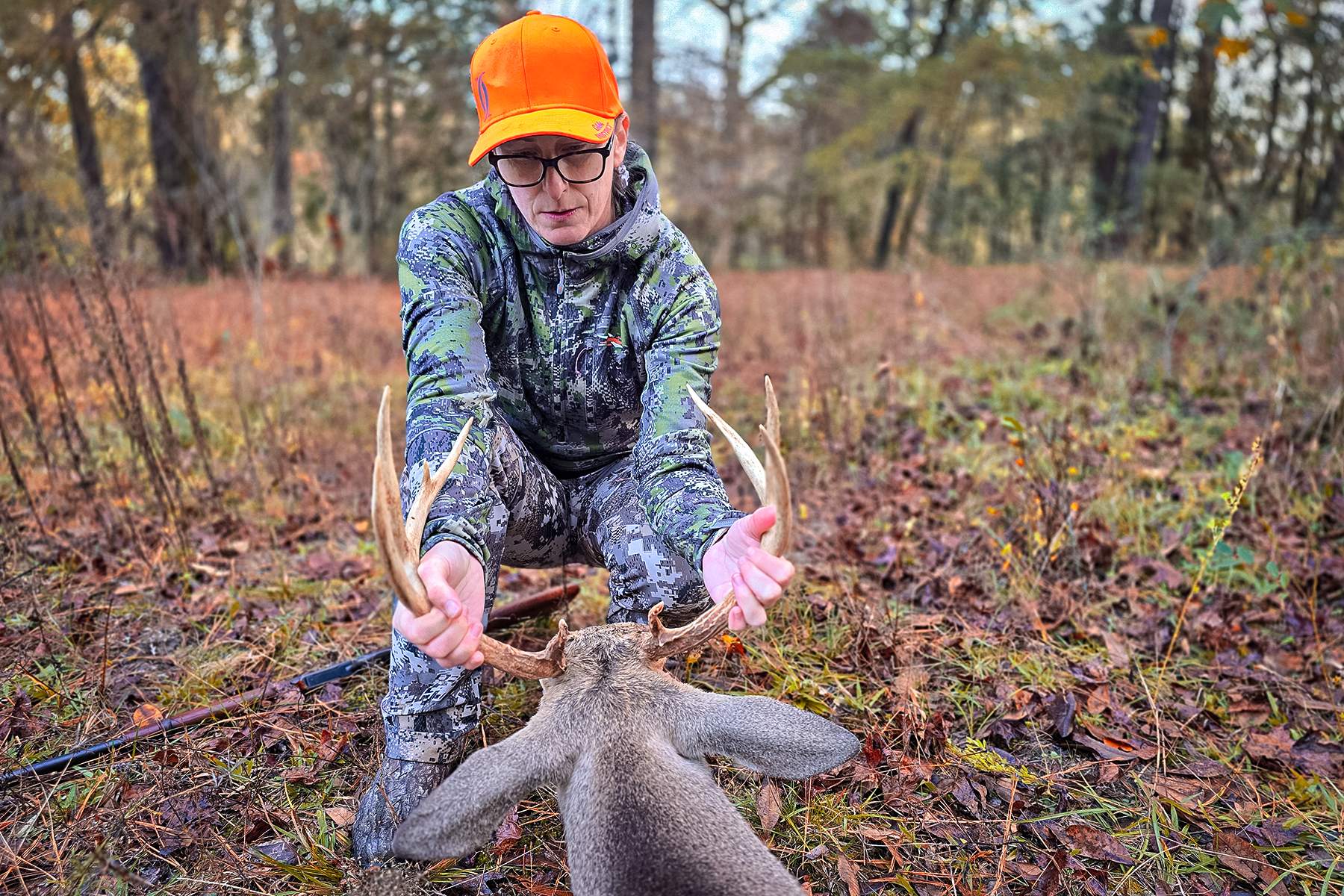
Layer It On
In the not-so-distant past, I thought cold-weather hunting meant toughing it out in the midst of indescribable suffering. But with the right layering formula, it doesn’t have to be all misery. Mastering this fine art and combining the right pieces will help you stay relatively comfortable while you’re sitting without making you sweat buckets on the hike in.
Base Layer
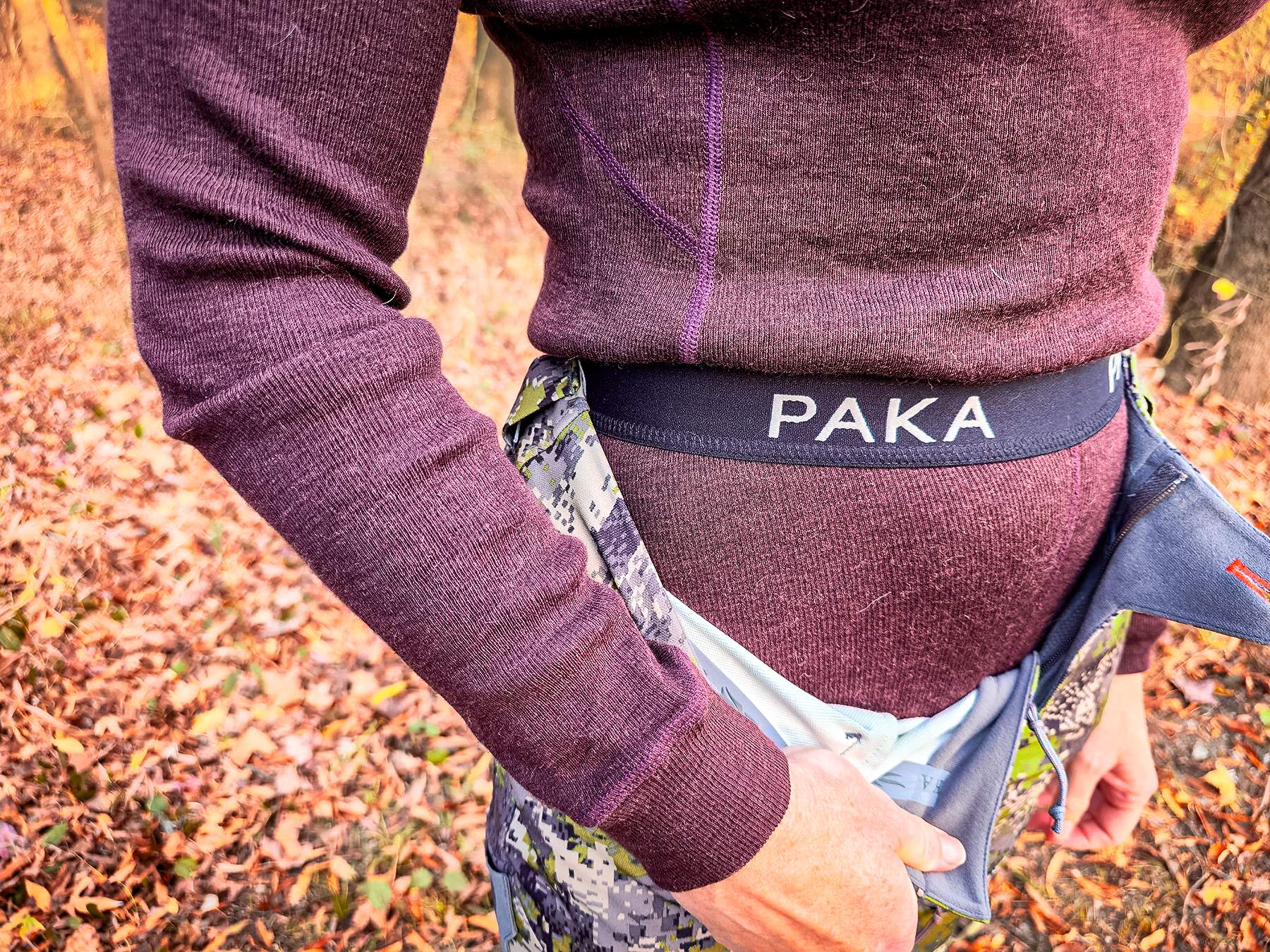
What touches your body sets the tone for the entire system. You want moisture wicking, quick drying, and insulation that still works when damp.
I’ve run merino and synthetics for years. Both work. Lately, I’ve fallen hard for alpaca. The hollow-core fibers trap heat without the itch of wool and without the stink after long sits. It also outperforms its weight when it comes to insulation.
My go-to is Paka’s Thermal pieces. They’re warm without bulk and soft enough that I forget I’m wearing a base layer at all. That matters on long sits.
Mid-Layer for Insulation
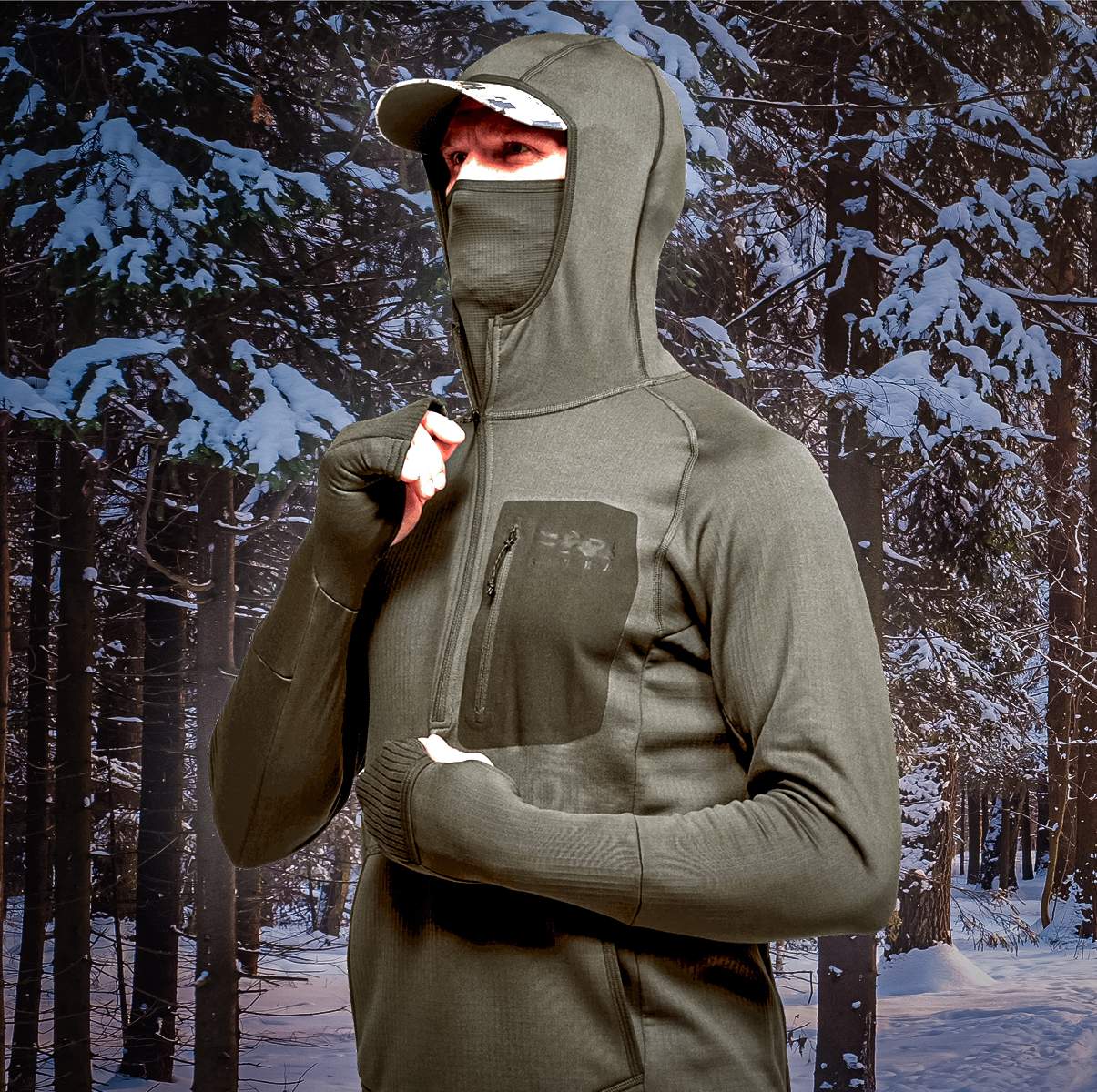
This is where most of your heat actually lives. Think fleece, light wool, or a low-profile insulated jacket. It should add warmth without making you feel like a marshmallow.
The Sitka Fanatic Hoodie is my fave. I live in this thing for most of the season. Early on, it’s an outer layer. Late season, it disappears under insulation. The built-in face mask, flip-over mitt cuffs, and Polygiene odor control feel gimmicky until you use them in 30-degree wind. Then you’ll understand why this piece has a cult following.
Top It Off with Your Outer Layer
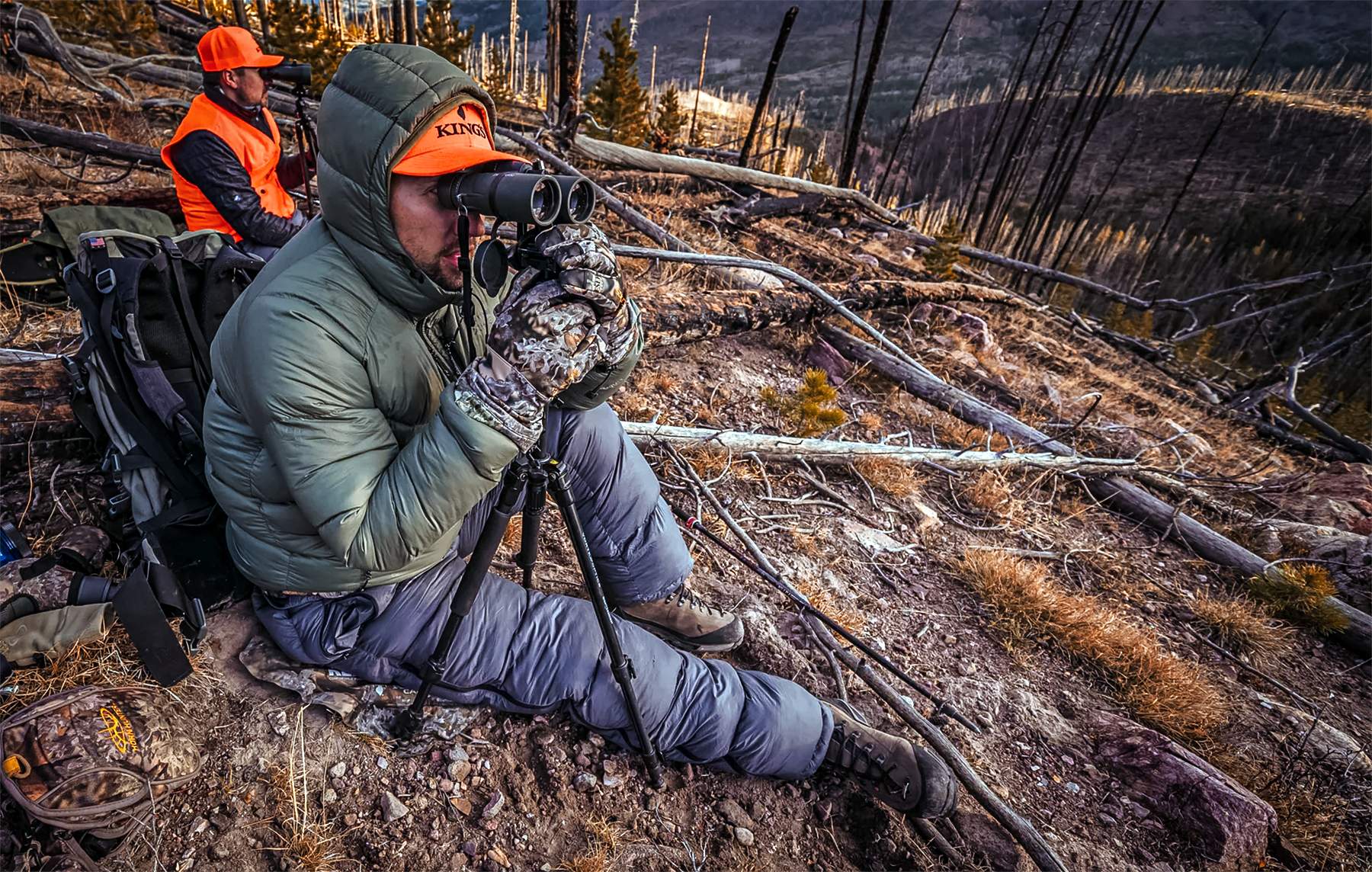
Wind kills heat faster than anything else. Your outer layer needs to stop it cold while shedding snow and freezing rain. This is your shield against whatever Mother Nature throws at you. (Ed. Note: Here's a hook-up to learn more about layering the KUIU way.)
I rotate through a few pieces, but one I keep reaching for is the Kings Camo XKG Down Transition. It features 800-fill waterproof goose down, and the outer fabric is waterproof polyester that features PFC-free DWR treatment. It’s super cozy without being super puffy and weighs just over 13 ounces. It’s also quiet in the stand and not shaped like a sleeping bag. That alone earns points.
Feet: The Serial Killer of Cold Hunts
What you put on your feet shouldn’t be an afterthought. Cold toes will chase you out of a blind faster than a mis-handled firearm. If your feet go numb, everything else follows.
Socks
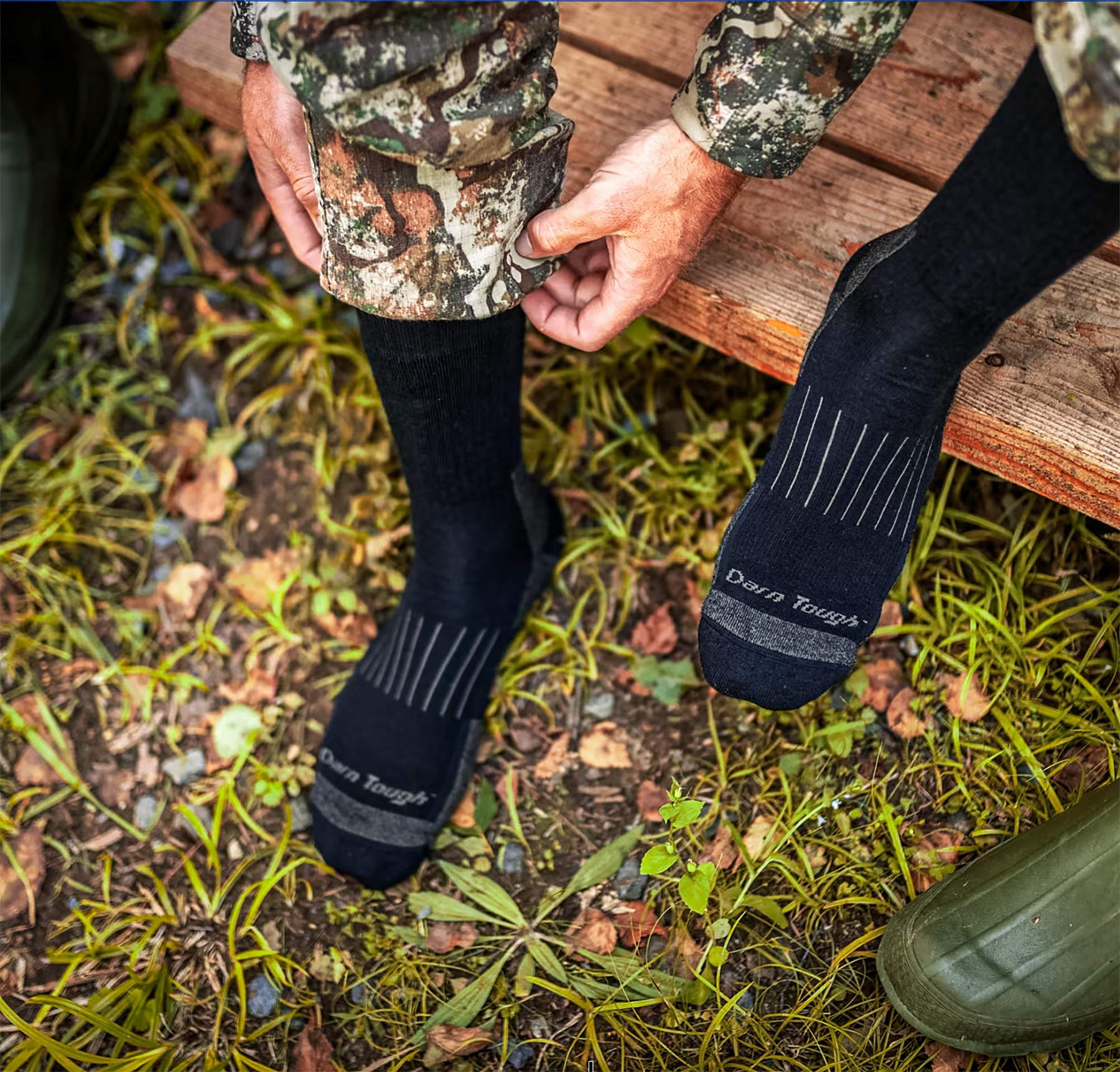
Wool is non-negotiable. I like medium-to-heavy merino blends that insulate without strangling circulation. (I’m a sucker for Darn Tough wool hikers. And they have a lifetime warranty.)
On brutal sits, I’ll double up with a thin liner sock underneath. You just don’t want too much sock in your boot. If you can’t wiggle your toes, you risk losing circulation, which is the fastest way to icicle extremities on the planet.
Boots
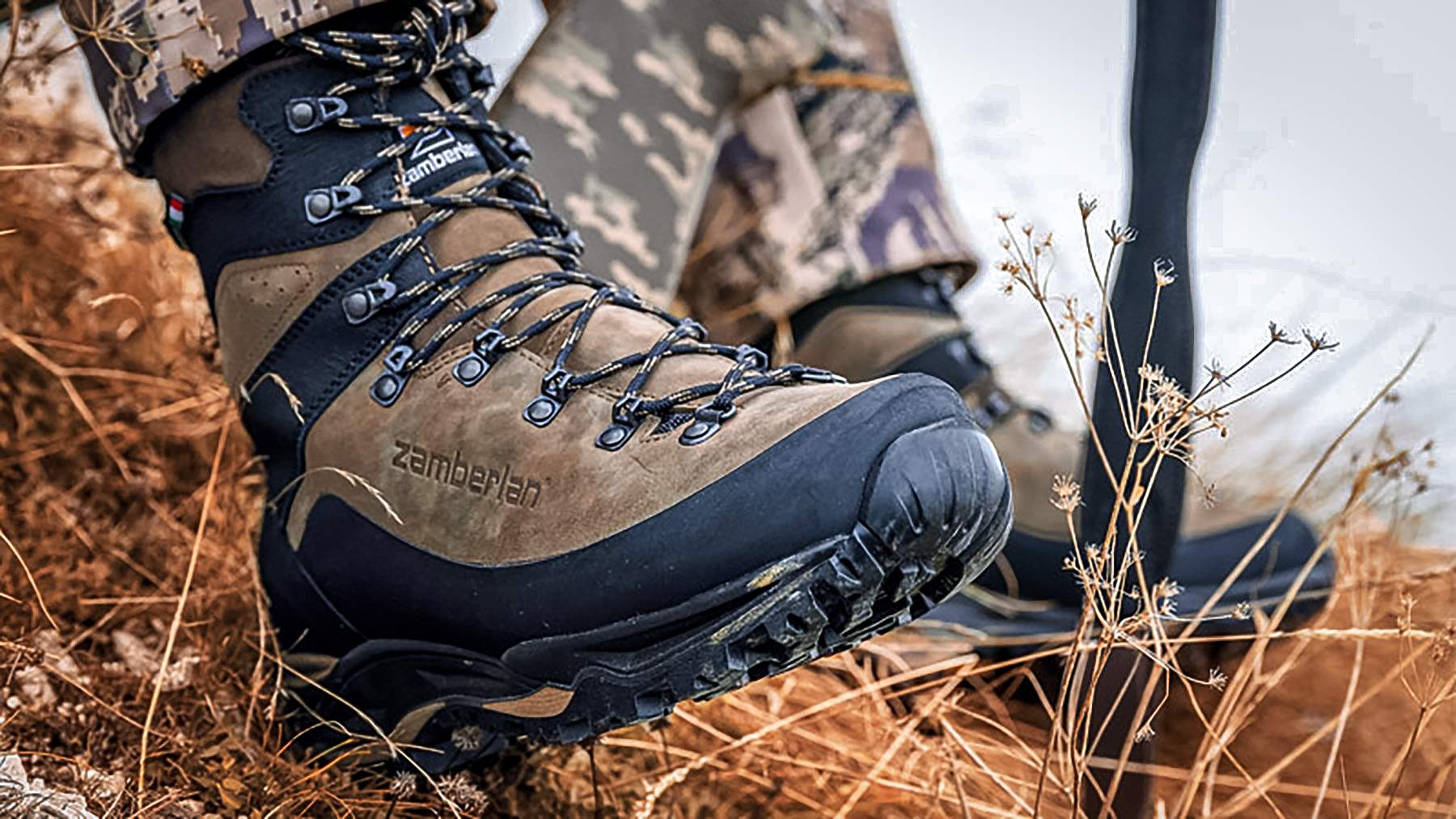
Insulation ratings are lies if the boot doesn’t fit or traps sweat. I run 800–1,000 grams for most late-season whitetail sits and bump to 1,200–1,600 for extended stand hunts below 20 degrees.
I’ll add heated insoles when I’m feeling extra fancy. They feel a little high-maintenance until you sit through a 12-degree sunset without losing toe feeling. Totally worth.
Hands: Balancing Warmth with Dexterity
Bare hands freeze. Heavy gloves kill dexterity. The trick is layers, just like the rest of your body.
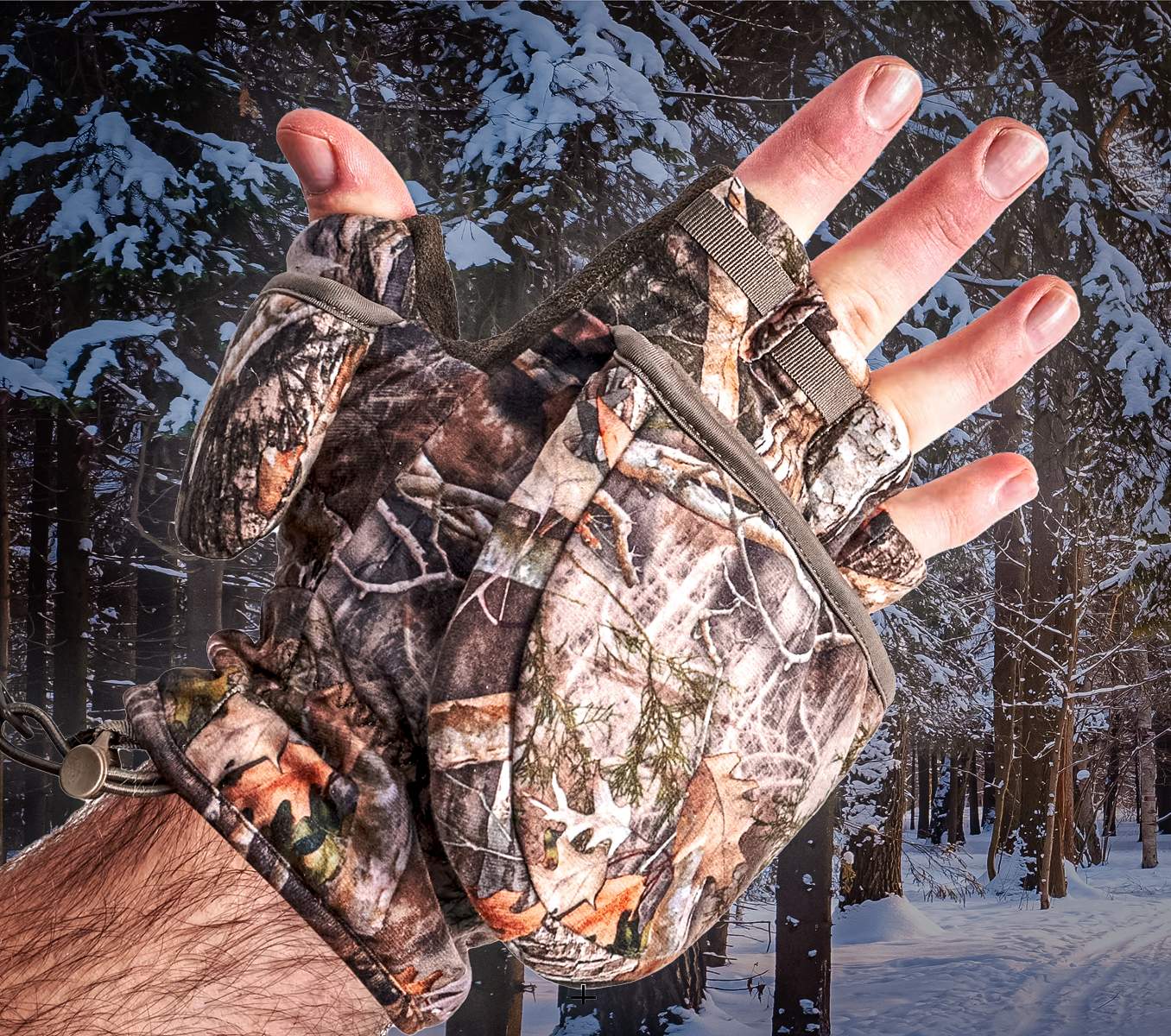
I wear thin glove liners until I climb into the stand. Then I slip into insulated mitts when I’m settled. When it’s time to shoot, the mitts peel off, and the liners still give me feel.
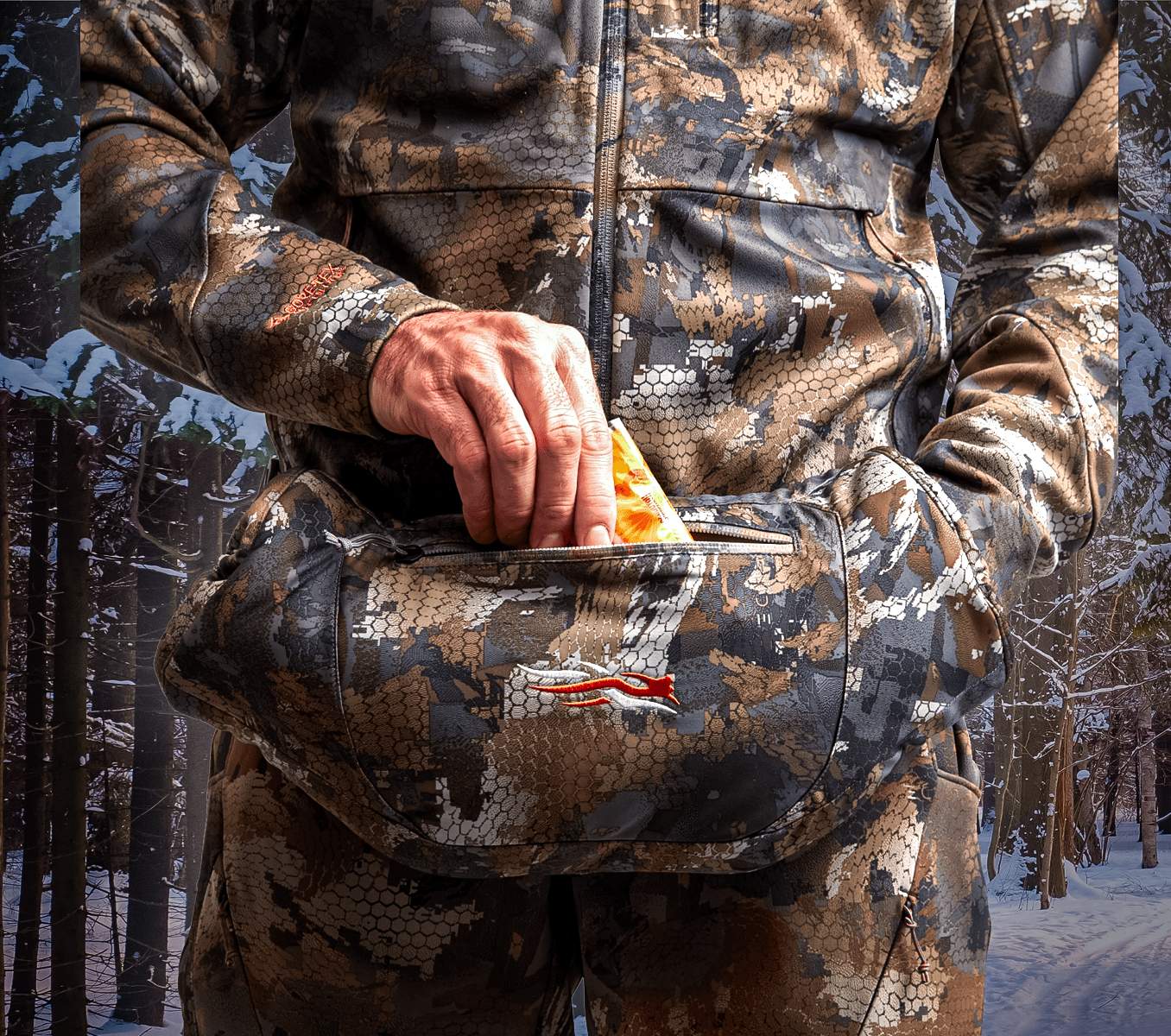
Chemical handwarmers go into every pocket I have. I’ve also been known to stuff them in creative places, like down the back of my jacket or under my safety harness straps. Despite the name, these babies aren’t just for hands. I burn through them like kindling. I never end a season with extras.
Keeping Your Head and Face From Freezing
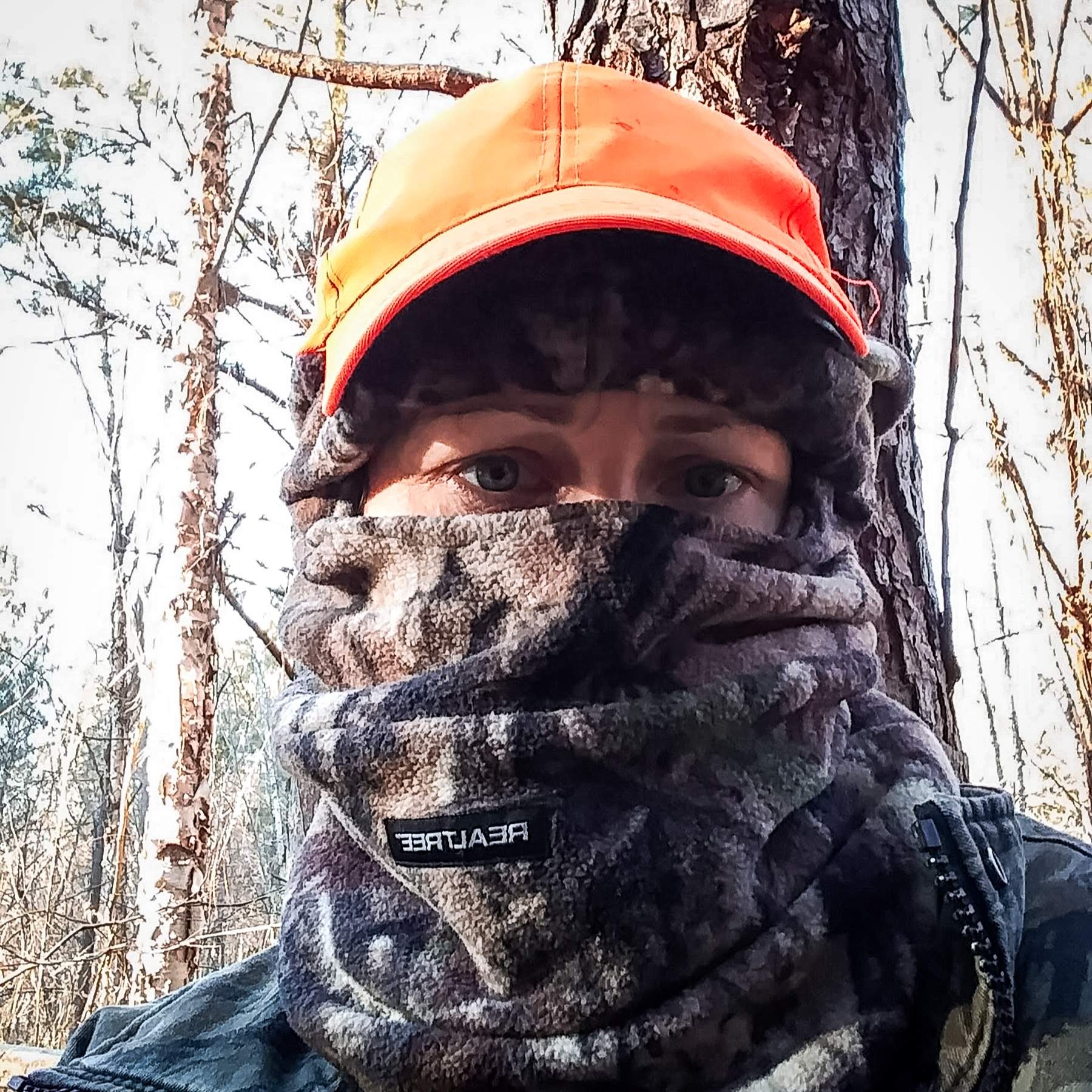
You can lose 7 to 10 percent of your body heat through your head. Add wind, and it feels like double that. A thin merino beanie under a thick hood, or a wind-blocking outer hat, will help slow some of that heat loss.
Exposed skin and cold weather don’t mix. When the wind turns frosty, a balaclava or neck gaiter is an absolute godsend.
Stand Accessories for Warmth
This is the gear most hunters forget until they’re freezing their bottoms off. Don’t be most hunters. This stuff will buy you hours in a stand.
Insulated Seat
Most hunters end up with their butts pressed against cold metal, earth, or bare plank wood for hours on end. Not only are those seats hard, they don’t offer much insulation, leaving the cold air to swirl around your backside.
Enter the insulated seat cushion. They don’t weigh much, but carrying one in is oh-so-very worth the effort.
Hand Muff
A hand muff paired with chemical warmers will beat thick gloves on a long sit hands down. Stuff your hands in, pull them out only when the time comes, and keep the heat sealed in. It’s a seriously underhyped luxury.
Any old hand muff will do, but I strongly recommend dropping some extra cash. Take it from a cold-weather wimp, the Sitka Jetstream Insulated muff may give you sticker shock, but it is the Cadillac of version of hand muffs.
Thermos
Hot coffee or broth can give just enough of a warmth boost to save plummeting morale in cold weather. Broth can also help keep you hydrated, and hydration helps regulate body temperature. That’s not campfire lore. It’s physiology.
Final Truth From a Cold-Weather Wimp
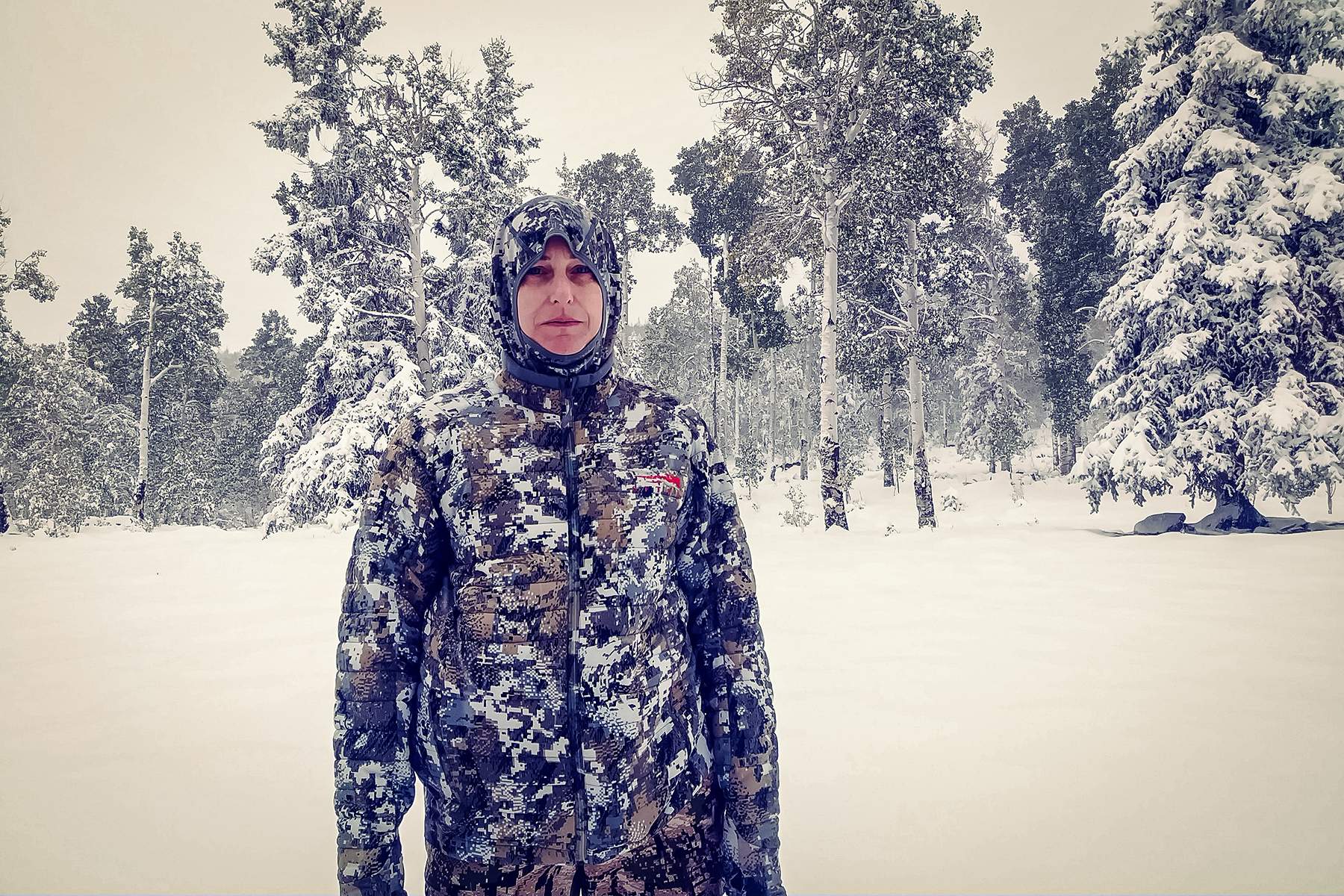
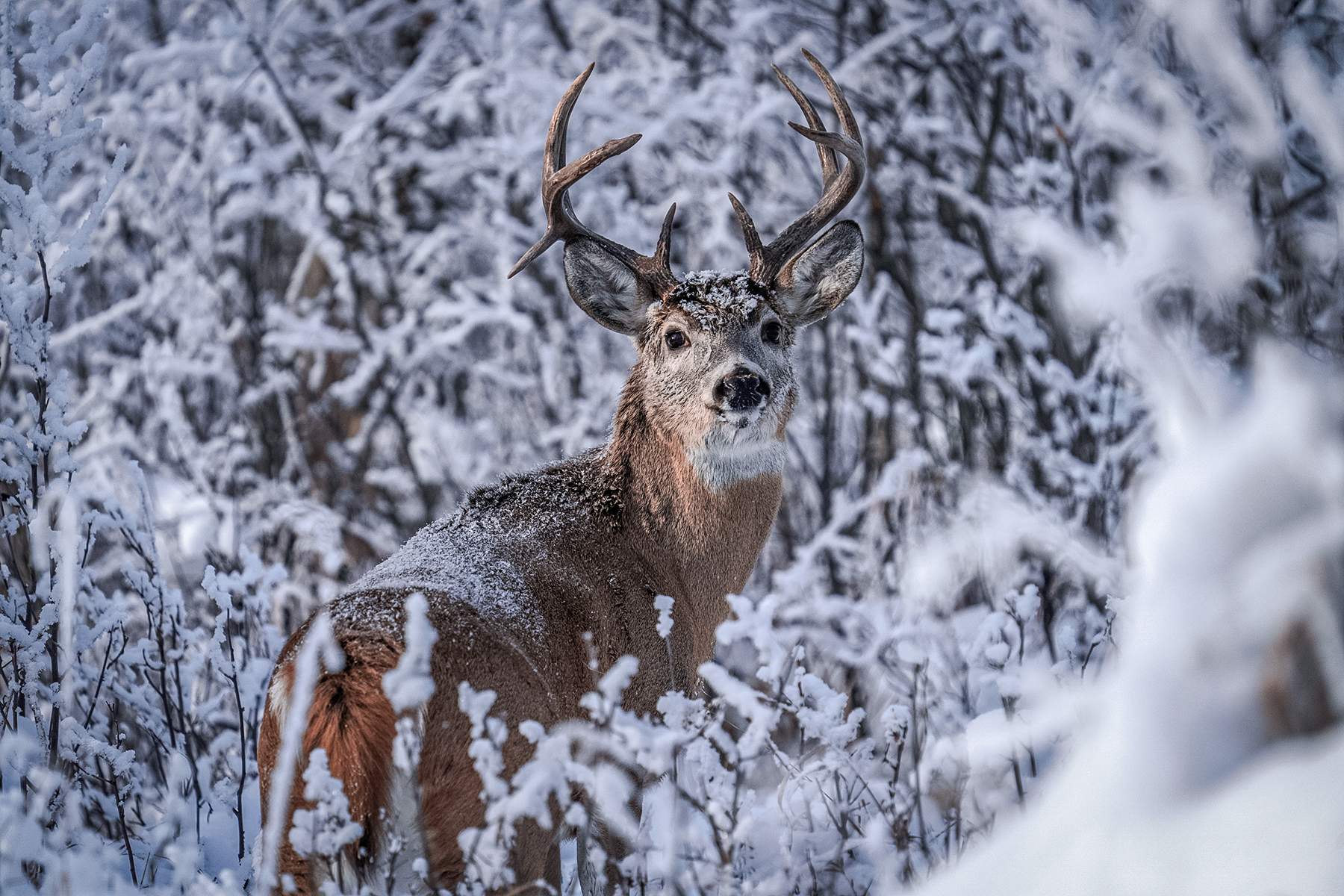
Late-season deer move when the weather gets ugly. Pressure fades. Patterns tighten. Some of the best bucks of the year die when most hunters have switched to football season. The advantage belongs to whoever stays longer.
I still hate the cold. That hasn’t changed. What’s changed is that cold doesn’t kick me out of the woods anymore. Instead, when the temperature, I stay put. Because some of the best hunting of the year takes place when the mercury is at its lowest. That’s when luck favors whoever can last through the cold.
But you can’t just “tough it out” forever. Shivering burns calories, wrecks focus, and shortens sits. Good gear buys patience. And patience fills tags and bag limits.
Related Articles